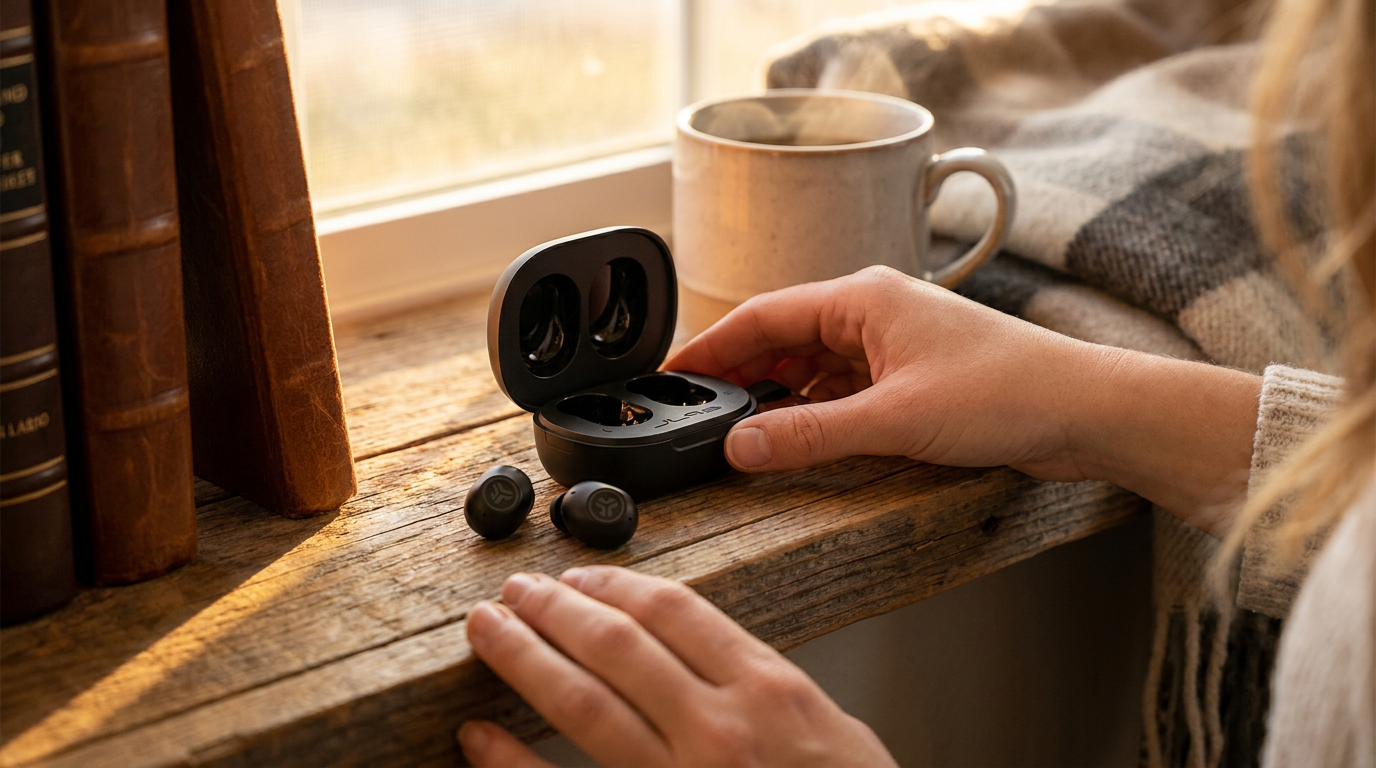
Noxpods Performance and Comfort Under Pressure
 Jordan HaleStaff Writer
July 23, 2026. This review examines the long-term reliability and physical comfort of Noxpods for daily users. It is written for consumers seeking a balanced appraisal of audio performance and ergonomic design.
The first thing I noticed was the weight—or rather, the lack of it. I was sitting in a crowded transit terminal when I first unboxed them, the kind of environment where the hum of air conditioning and the distant drone of announcements usually compete for your attention. I slipped them in, and the physical seal felt immediate. There is a specific tactile satisfaction in how the casing meets the ear, a sensation often overlooked in more expensive models. According to a review by Galaxy Tech Review on the Naztech XPods Pro, which share some design DNA in the Bluetooth wireless space, the importance of a secure fit cannot be overstated for maintaining consistent audio profiles. When the fit is loose, you lose the low-end frequencies that give music its warmth. With these, the isolation was enough to turn the terminal’s chaotic noise into a dull, manageable murmur, allowing the mid-tones of my playlist to breathe.

Photo by Ketut Subiyanto on Pexels
Somewhere around week two, the habit of wearing them became almost invisible. I found myself reaching for them not just for music, but for the silence they provided during focused work sessions. Understanding how do Noxpods work technically helps explain this; the integration between the driver and the acoustic chamber is tuned to minimize ear fatigue. I’ve spent years testing hardware that starts to pinch after ninety minutes, but these remained comfortable through four-hour stretches. This is particularly vital for those who use their devices for more than just a morning commute. For instance, many users are now transitioning to using Noxpods sleep earbuds to manage environmental noise throughout the night, a task that requires a level of physical refinement that prevents the device from becoming an irritant against a pillow. The build quality feels intentional, avoiding the hollow plastic sensation found in entry-level alternatives. When you hold them, there is a density that suggests they can survive a drop onto a hardwood floor or a frantic search at the bottom of a gym bag.
It turns out that the value proposition is where the narrative really settles. While some high-end competitors command prices that feel like a monthly mortgage payment, the reality of daily use often favors the durable and the accessible. A creator on TikTok, discussing the Noxpods Air Pro Max, noted that they are very affordable and worth it, offering quality that rivals far more expensive originals. This sentiment aligns with my experience: you aren't paying for a logo, you're paying for the engineering that keeps the connection stable when your phone is in your pocket and you're moving through a high-interference area like a city center. I compared this experience mentally to my time with bulkier options, and I keep coming back to the convenience of the form factor. If you are debating between these and a wrap-around style, looking at Noxpods vs sleep headphones can clarify which silhouette fits your lifestyle. For me, the discrete nature of the pod wins every time.
To determine if these fit your specific needs, consider this framework:
- Evaluate your primary environment: are you in a high-noise office or a quiet home?
- Consider your ear sensitivity; those who experience fatigue quickly will benefit from the lightweight casing.
- Assess your battery requirements for long-haul travel versus short bursts of use.
- Review the necessity of water resistance for workouts or outdoor commutes.
- Determine if you prefer a physical seal over active electronic cancellation.