Noxpods and the Three-Axis Sleep Audio Framework
 Priya RamanSenior Analyst
July 23, 2026 — The evolution of night-time audio has shifted from bulky over-ear models to specialized devices like Noxpods that prioritize anatomical compatibility. As the market for sleep-specific hardware matures, users are increasingly weighing the benefits of low-profile earbuds against traditional headband-style sleep headphones.
The current landscape of sleep audio can be understood through a specific framework. Two axes matter here: the physical profile of the device and its acoustic isolation capabilities. While standard audio solutions like the AirPods Pro 3 are often used for sleep, reviewers at No Sleepless Nights note that dedicated sleep headphones generally score higher in side-sleeping comfort due to their specialized form factors. When evaluating Noxpods against the broader category of sleep headphones, it is helpful to apply a three-axis model consisting of physical displacement, passive noise attenuation, and thermal management. This matrix allows for a objective assessment of how a device interacts with the ear canal and the pillow surface simultaneously.
The Triple-Axis Performance Matrix
To understand the difference between Noxpods and traditional sleep headphones, one must analyze the physical displacement axis. Traditional headband headphones, such as SleepPhones, utilize flat speakers inside a fabric wrap. While these provide a soft interface, they often lack the precision of in-ear solutions and can move during the night. In contrast, Noxpods utilize a high-density ergonomic design specifically engineered for minimal protrusion. This engineering focus ensures that the pressure exerted on the tragus and antihelix is significantly reduced. This is a critical distinction for users exploring Noxpods and the ergonomics of side sleeping to prevent ear fatigue.
The second axis, acoustic isolation, differentiates active and passive systems. Many headband-style headphones offer poor noise masking, whereas in-ear designs provide a physical seal. This seal is the foundation of comfortable earbuds for side sleepers, as it allows for lower volume levels while effectively blocking environmental disruptions like snoring or traffic. Finally, the thermal management axis addresses the accumulation of heat. Fabric headbands can cause perspiration during deep sleep cycles, a problem mitigated by the discrete footprint of Noxpods. Understanding how to sleep with earbuds in comfortably requires a device that balances these three axes without compromising the user's natural sleep posture. The decision rule is straightforward: if you require precise noise isolation and heat dissipation, the in-ear architecture of Noxpods outperforms the wrap-around headband format.
Expert tip: To maximize the life of your sleep audio hardware and maintain the acoustic seal, ensure the silicone tips are cleaned weekly to prevent earwax buildup from affecting the driver's frequency response.
Optimizing your sleep environment involves selecting tools that respect your body's nocturnal movements. By focusing on the structural advantages of Noxpods for side sleeping, users can achieve a more consistent rest without the bulk of traditional audio gear.
Sources
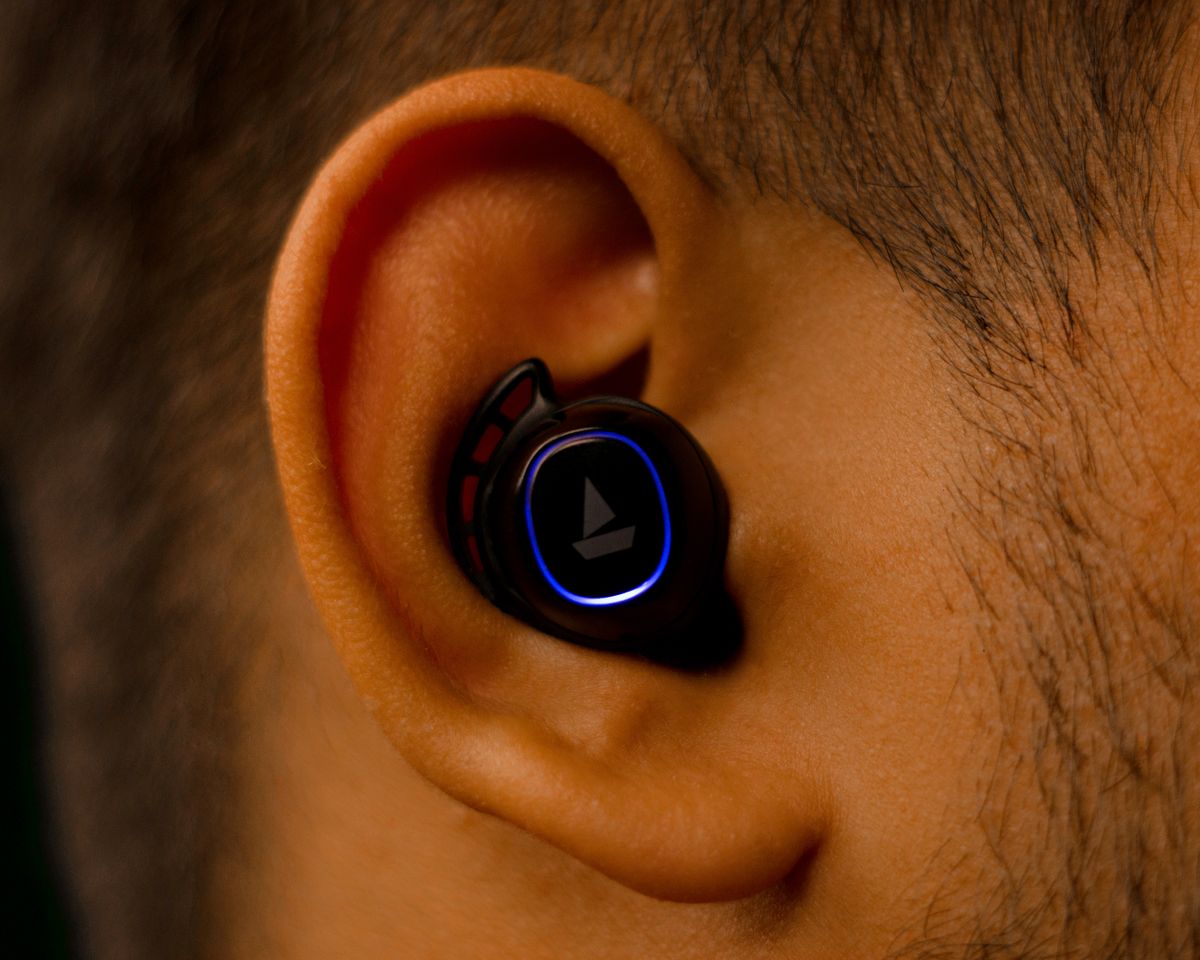
Photo by Sanket Mishra on Pexels
- The Best Headphones For Sleep: I Compare 6
- I Tested $200 Sleep Earbuds vs AirPods (Worth It?)
- The Best Headphones For Sleep: 10 Reviewed And Compared