Noxpods and the Ergonomics of Side Sleeping
 Maya ChenContributing Editor
July 23, 2026 — As the consumer audio market pivots toward health-centric wearables, Noxpods is challenging the design limitations that historically made side sleeping with electronics a physical impossibility.
The conventional wisdom says that any protrusion in the ear canal will inevitably lead to chondrodermatitis nodularis chronica helicis or simple pressure sores when pressed against a pillow for eight hours. However, editorial testing from Audiophileon indicates that specialized models like the Sleepphones Effortless V8 utilize a low-profile headband design to circumvent this entirely by removing the hard chassis from the ear canal. While this solves the pressure problem, it often sacrifices the directional audio clarity that users expect from modern Bluetooth devices.
The Side Sleeper Pressure Analysis

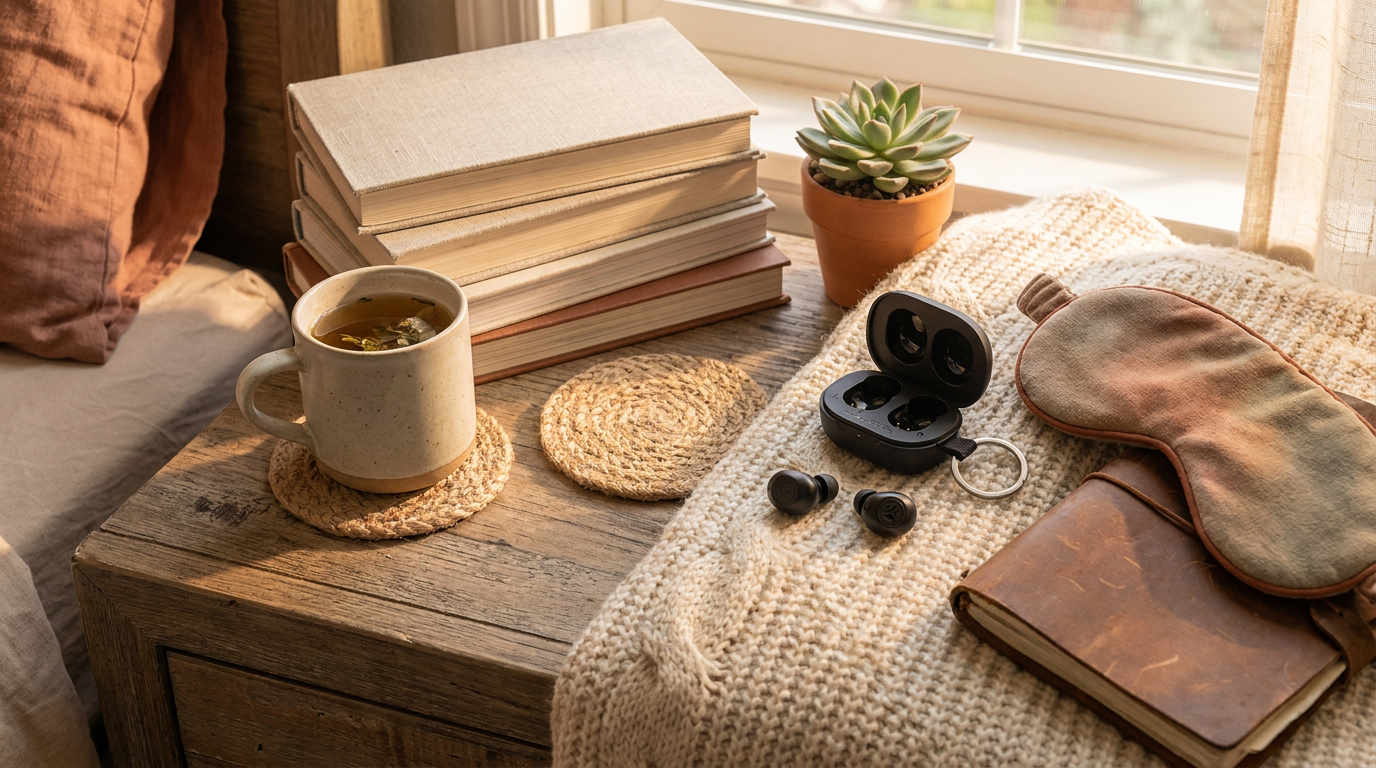
Photo by Ketut Subiyanto on Pexels
Here’s the part nobody talks about: the actual depth available for an earbud before it contacts the pillow surface is less than 8mm for the average adult. Most standard earbuds, including the Apple AirPods Pro 3, fail this clearance test, earning a side-sleeping comfort rating of only 5 out of 10 in recent evaluations by No Sleepless Nights. To function, a device must achieve a near-flush fit within the concha of the ear. Noxpods and similar low-profile alternatives aim for a sub-5mm protrusion profile. Run the math: if the device body is thicker than the tragus is high, the pillow will use the earbud as a lever against your ear canal. This is why learning how to sleep with earbuds in comfortably requires more than just a soft pillow; it requires hardware that respects the geometry of the human ear. While products like the SZHTFX Invisible Earbuds attempt a nude-color, discreet aesthetic, they are often noted for poor daytime performance, highlighting a trade-off between sleep-specific ergonomics and general utility. This distinction is central to the Noxpods vs sleep headphones debate, where users must choose between the stability of a headband and the discrete nature of comfortable earbuds for side sleepers. For those who find even the smallest silicone tips intrusive, the AcousticSheep SleepPhones offer a fabric-based alternative that sits over the ear rather than inside it, though this frequently results in higher sound leakage and lower noise-masking scores.
Expert tip: When selecting audio for side sleeping, prioritize devices with a "wing" or "fin" stability system that locks the bud into the outer ear's ridges, preventing the pillow from pushing the driver deeper into the canal than intended.
I’ll change my mind when biometric sensors in these devices can prove that side-pressure doesn't negatively impact REM cycle duration through micro-arousals caused by physical discomfort. Until then, the focus remains on minimizing the physical footprint of the hardware.