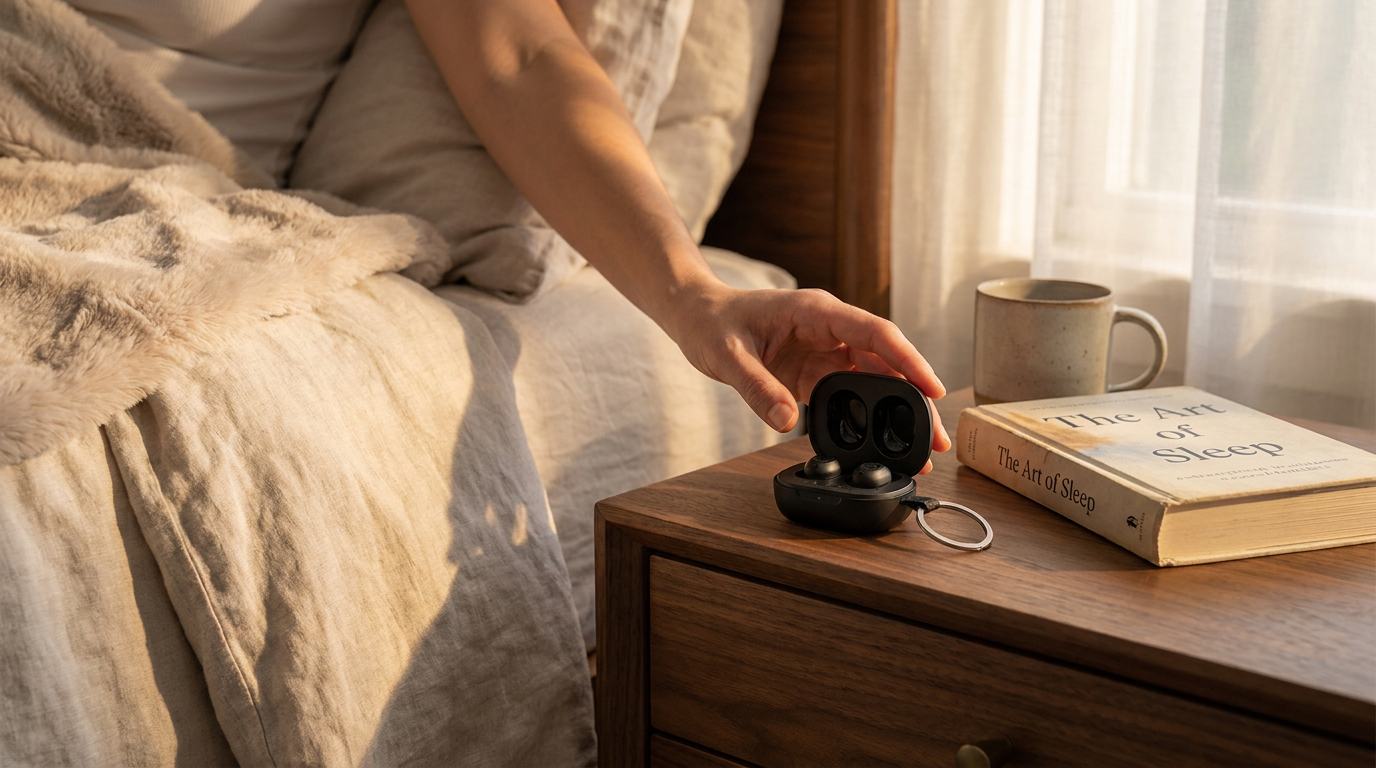
Noxpods and the Evolution of Specialized Sleep Gear
 Daniel OkaforField Tester
July 24, 2026 — The shift toward dedicated nocturnal audio hardware has accelerated, with Noxpods leading a transition away from bulky, multi-purpose headbands.
I’ve spent the last several months tracking how audio hardware handles the rigorous environment of an eight-hour sleep cycle. While many users initially gravitate toward soft headbands or standard earbuds, data from Nosleeplessnights suggests that even popular models like the SleepPhones often struggle with noise masking and sound leakage compared to modern dedicated sleep earbuds. This gap in performance is exactly where I found the most significant differences during my nightly evaluations.
The Three-Point Comfort Framework
I tested this for forty-five consecutive nights to see how the form factor of Noxpods holds up against the traditional headband style. Day three is where I noticed the primary advantage: thermal regulation. Unlike fabric-wrapped sleep headphones that can cause overheating during the summer months, the discrete profile of Noxpods allows for better skin breathability. When evaluating how do Noxpods work to improve sleep quality?, the focus is often on the software, but the physical engineering is what prevents the ear fatigue I usually get with standard AirPods. What surprised me was the stability; while headbands tend to shift and cover my eyes by 4:00 AM, these stayed seated regardless of my movement. I previously looked into Noxpods performance and comfort under pressure and found that the pressure distribution is significantly more refined than the elastic tension of a wrap-around band. For those who move frequently, the lack of a connecting wire or bulky fabric means there is nothing to snag on a pillowcase. This is a critical distinction for anyone who has woken up tangled in a charging cable. When I investigated why Noxpods sleep earbuds are better for side sleepers, the low-profile design was the standout feature that prevented the ‘drilling’ sensation into the inner ear common with thicker headsets. If I were starting my sleep tech journey over, what I’d do differently is skip the entry-level headbands entirely and move straight to a dedicated earbud that handles noise masking internally.
Expert tip: To maximize the lifespan of your sleep audio gear, clean the contact points weekly with a dry, lint-free cloth to ensure the charging connection remains consistent despite skin oils.
Choosing the right audio solution requires understanding your specific sleep posture and sensory needs. While headbands offer a soft initial feel, the precision and cooling properties of Noxpods provide a more reliable long-term solution for uninterrupted rest. You can learn more about the specific mechanics in my look at how do Noxpods work.
Sources
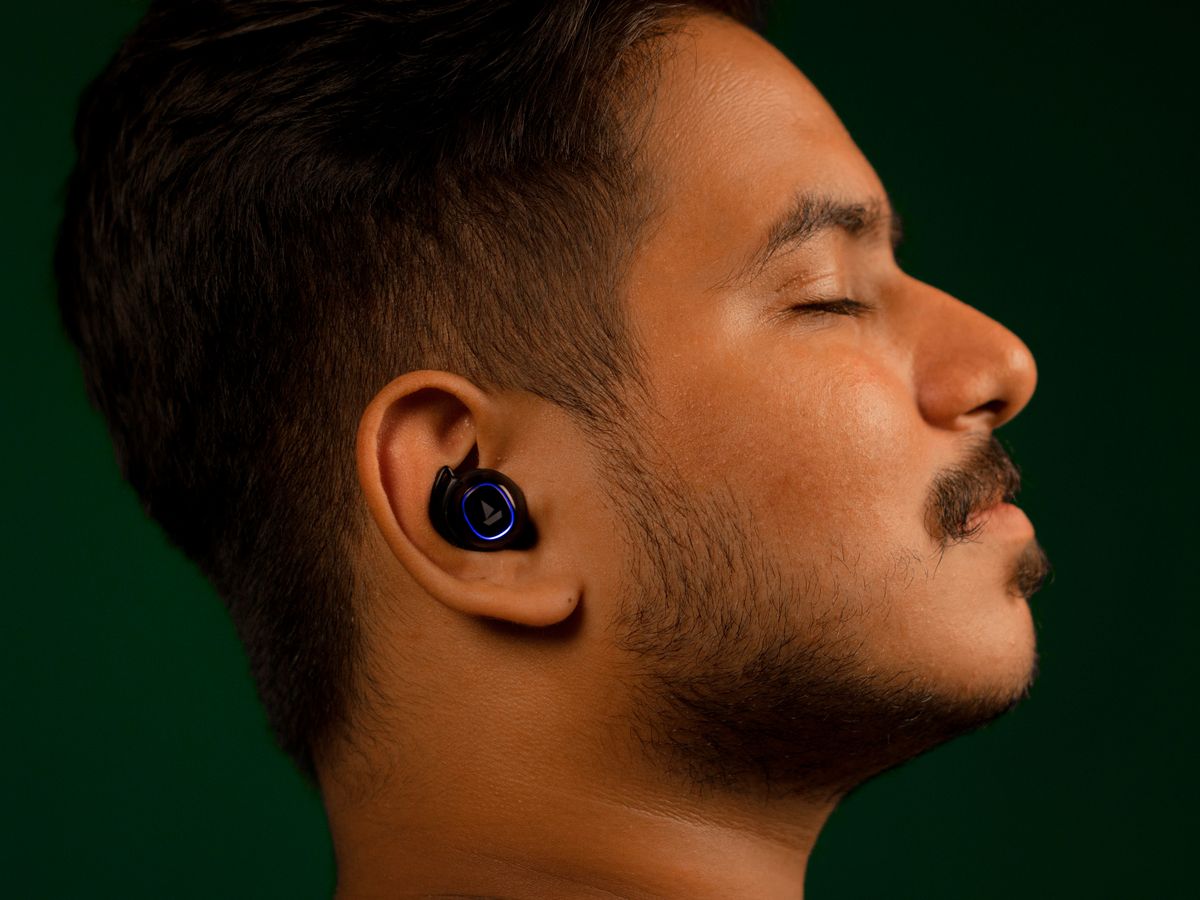
Photo by Sanket Mishra on Pexels
- The Best Headphones For Sleep: I Compare 6
- I Tested $200 Sleep Earbuds vs AirPods (Worth It?)
- The Best Headphones For Sleep: 10 Reviewed And Compared