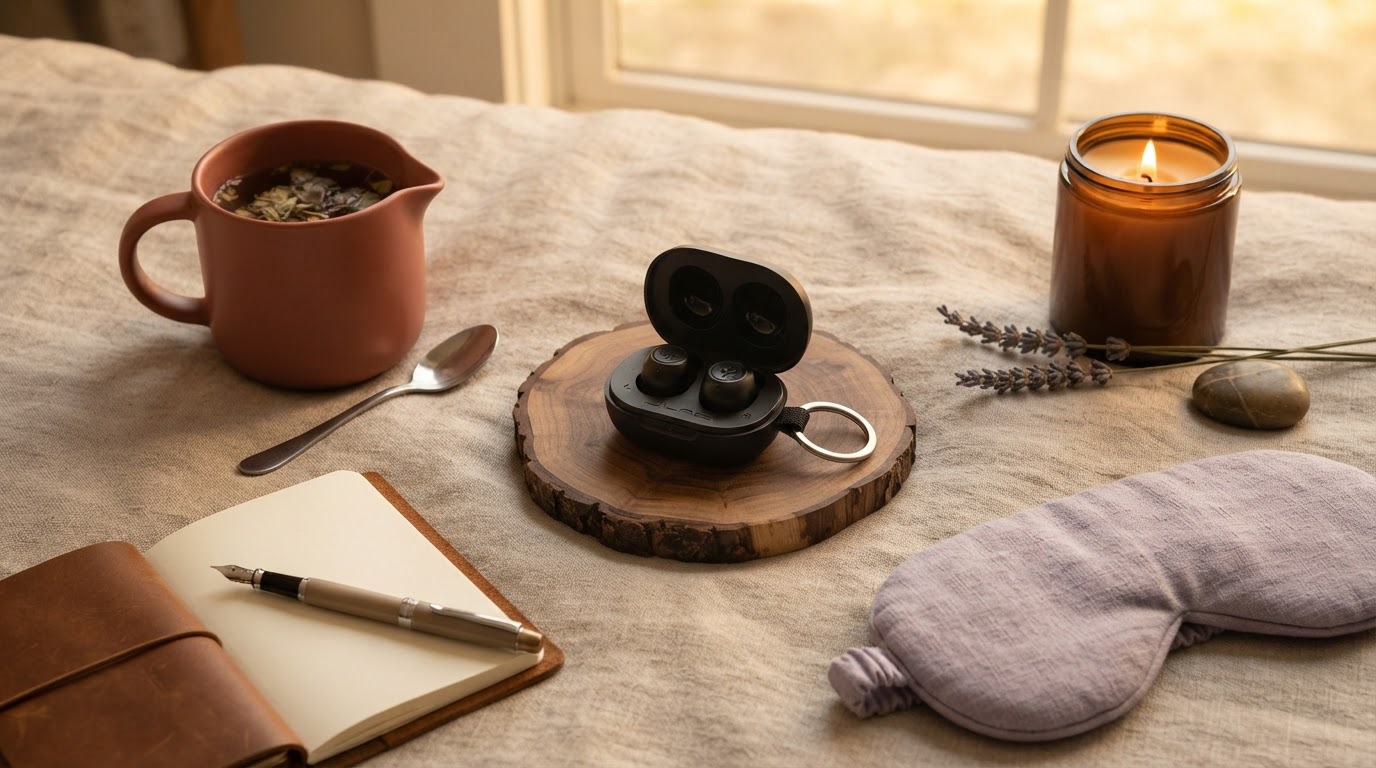
Optimizing Side Sleeping Comfort with Noxpods
 Sam VasquezBuying Guide Lead
August 18, 2026. This guide examines the hardware requirements for maintaining ear comfort while sleeping on your side. It is written for consumers who find traditional headphones too bulky for lateral rest.
The Physical Challenges of Lateral Sleeping
When you sleep on your side, your ear is pressed directly against the pillow, creating a high-pressure environment for any hardware sitting in or on the ear. Standard earbuds typically protrude past the tragus, which causes the device to be pushed deeper into the ear canal or tilted at an awkward angle when you roll over. This leads to physical soreness, inflammation, or even "pillow ear," where the cartilage becomes tender from sustained contact. Beyond physical pain, side sleepers often deal with external disruptions. If you are trying to figure out [how to sleep with loud snoring partner](/blog/how-to-sleep-with-loud-snoring-partner), you know that a seal that breaks every time you move is useless. According to soundcore US, side sleepers require specific 3D ergonomic designs and ultra-soft materials to ensure pressure-free comfort throughout the night. Their research into the Sleep A20 model highlights that dual fixation—using both an ear wing and a tip—is necessary to prevent the bud from shifting during movement. Without these stabilization features, a side sleeper will likely wake up with one earbud lost in the sheets or a dull ache in the ear canal. The goal isn't just audio; it is the management of physical displacement under the weight of the head.
How Noxpods Address Side-Sleeper Pressure

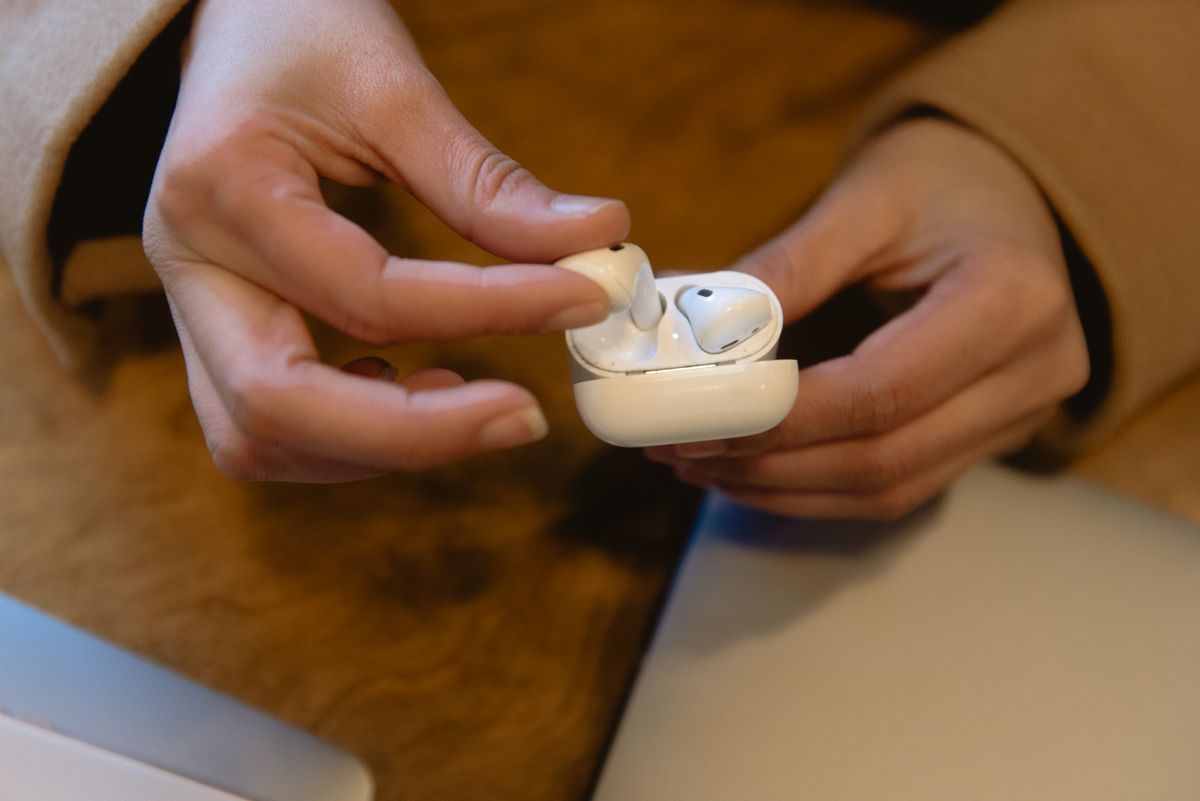
Photo by Michael Burrows on Pexels
Noxpods are engineered with a low-profile chassis specifically to mitigate the lever effect caused by side sleeping. Unlike standard wireless buds that prioritize large drivers and battery volume, Noxpods focus on a recessed fit that sits flush within the concha of the ear. This ensures that when your head hits the pillow, the force is distributed across the outer ear rather than being concentrated on a single point in the canal. This design philosophy is similar to the SZHTFX Invisible Earbuds, which AudiophileOn notes are favored for their discreet profile and side-sleeping comfort. However, Noxpods maintain a more stable Bluetooth connection during movement, which is a common failure point for ultra-miniature hardware. If you are weighing [Noxpods vs sleep headphones](/blog/noxpods-vs-sleep-headphones), the primary difference lies in the profile; while headbands distribute pressure, they often slip or become too warm, whereas Noxpods stay seated. For those who need total light blockage alongside audio, a [noise cancelling sleep mask with bluetooth](/blog/noise-cancelling-sleep-mask-with-bluetooth) is an alternative, but for pure side-sleeping ergonomics, the independent bud design of Noxpods remains the most unobtrusive option. The materials used are medical-grade silicone, which provides enough friction to stay in place without the harshness of rigid plastic. Between these two, I'd go with the dedicated bud for the sake of breathability.
Selecting the Right Sleep Hardware
Choosing the right device depends on your specific ear anatomy and how much you move during the night. If you're on a budget, the Realme Buds Air 7 are a viable runner-up because the sides of the buds are flatter than average, which Scarbir mentions is good news for lying on your side. However, if you have small ears, you might need something even more specialized. Soundcore suggests their Sleep A30 for small ears due to the inclusion of extra-small tips and a slim profile. Here's what I'd actually buy: if you are a strict side sleeper who needs to block out a partner, Noxpods offer the best balance of thinness and acoustic seal. Skip this if you only sleep on your back, as you could get away with larger, more feature-rich buds. Before you buy, use this checklist:
- Check the protrusion depth: Does the earbud sit flush with the ear's outer rim?
- Evaluate tip variety: Does the package include at least four sizes of silicone tips?
- Assess battery life: Does the unit provide at least 8 hours of playback to last the full night?
- Verify the return policy: Sleep comfort is subjective, and you need a trial period.
- Compare stabilization: Does the bud use a wing or fin to prevent rotation?
Sources
- The Best Cheap Wireless Earbuds for Sleeping - July 2026
- The Absolute Best Headphones for Sleeping in 2026
- Best Sleep Earbuds - soundcore US